Across Indonesia, communities are showing how practical action can help protect rivers, strengthen neighbourhoods and create opportunities for a cleaner future.
For people living beside a river, its condition is part of everyday life. Cleaner waterways can support wildlife and livelihoods. Pollution, by contrast, can travel far beyond the riverbank.
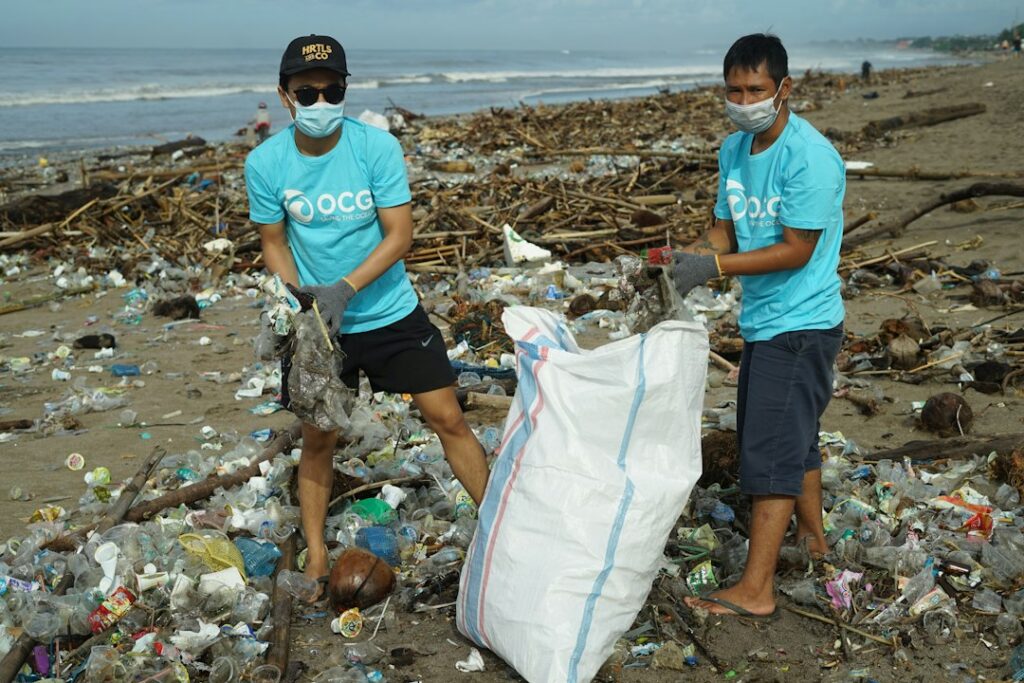
In Indonesia, a growing initiative called Sungai Lestari is tackling this challenge. According to results announced by the United Nations Development Programme on October 16, 2026, the programme has removed 492 tonnes of waste from four rivers since work began in May.
The reported achievement brings together local organisations, community waste banks, government agencies and residents. With implementation expanding into additional locations, the story is as much about people working together as it is about environmental protection.
A community effort already producing results
Sungai Lestari, meaning Sustainable River, is a partnership involving the Indonesian government, UNDP and Clean Rivers, a foundation supported from the United Arab Emirates. It focuses on better waste collection, sorting and management before discarded materials reach waterways and the sea.
UNDP reports that the initial work in Surabaya and Surakarta has mobilised four civil society organisations, 55 community waste banks, 1,200 women and 20 urban villages. Its early activities cover riverside areas home to more than 54,000 people.
The 492-tonne total describes waste collected, not exclusively plastic. It is a programme-reported operational result, and does not by itself demonstrate lasting improvements in water quality.
Why local participation matters
Waste prevention does not begin only at the water’s edge. It also depends on the choices and systems that determine what happens to discarded materials long before they can enter a river.
By involving community waste banks and local environmental groups, the initiative builds on existing neighbourhood networks. The participation of 1,200 women shows the scale of local involvement, although further evidence would be needed to assess any long-term economic benefits.
The initiative expands to Bali
On October 16, Indonesia and UNDP launched the Bali phase with a mangrove cleanup, drawing attention to the connections between river pollution, coastal habitats and livelihoods. Two Bali pilot waterways are Tukad Badung in Denpasar and Tukad Mati in Badung Regency.
Bali’s activities are newly launched. The 492 tonnes reported so far come from previous operations in Surabaya and Surakarta; they should not be described as waste already removed in Bali.
Linking funding to results
A distinctive element is performance-based financing for participating civil society organisations. Funding is linked to independently verified amounts of waste recovered and properly diverted from the environment, according to UNDP. The mechanism is intended to encourage accountability and help identify approaches that can be replicated.
What comes next
Sungai Lestari now operates across five priority locations: Bekasi, Surakarta, Surabaya, Sidoarjo and Bali. Implementation expanded to Bekasi and Sidoarjo in October, with a combined target of about 5,066 tonnes of waste managed through 2027. That is a future target, not a completed result.
Longer-term assessments will be needed to establish how much the programme reduces recurring pollution, improves habitat conditions and supports livelihoods. Still, the removal of hundreds of tonnes already provides a concrete starting point.
A cleaner future begins close to home
Environmental challenges can feel impossibly large, but many practical solutions begin locally: neighbours organising, waste workers collecting and sorting materials, and communities protecting the waterways around them.
In Indonesia, four rivers have already benefited from a substantial cleanup effort. Much more remains to be done, but the results show what coordinated community action can achieve.
Sometimes, protecting the future begins with improving the place we call home.
Source and verification
UNDP Indonesia — Sungai Lestari programme announcement, October 16, 2026. Figures are programme-reported. Future targets and long-term outcomes are distinguished from results already achieved.