NewsPositive | October 19, 2026 | Environment & Conservation
In Colorado, a wide, grass-covered bridge is helping restore something highways have long interrupted: the ability of wildlife to move safely through its habitat.
The I-25 Greenland Wildlife Overpass, opened to animals in December 2025, crosses six busy interstate lanes between Larkspur and Monument. Cameras have since captured elk and pronghorn using it — encouraging evidence that a carefully designed crossing can help animals navigate a landscape divided by roads.
A 91% reduction — but here’s what the number really means
Recent reporting on a Colorado Department of Transportation (CDOT) study found that wildlife-vehicle collisions along the I-25 South Gap corridor declined by 91% after most of a network of crossing measures was installed.
That result belongs to the broader system, including five wildlife underpasses and fencing along the roadway. It cannot be credited to the Greenland bridge alone: the overpass was the final addition, completed after much of the reduction had already been documented.
Its individual long-term contribution is still being evaluated. The distinction matters because successful wildlife safety requires a connected set of measures, not just one landmark bridge.
A bridge designed for animals that prefer open space
The Greenland structure is approximately 200 feet wide and 209 feet long. It links some 39,000 acres of habitat on either side of Interstate 25, according to CDOT.
Elk and pronghorn may hesitate to enter enclosed tunnels. The overpass therefore uses broad, gradual approaches with open views and a planted surface, resembling the surrounding landscape.
The new bridge fills a 3.7-mile gap in an 18-mile wildlife-crossing system and complements existing underpasses that other mammals already use.
From traffic barrier to connected habitat
For decades, I-25 divided habitat and exposed crossing animals to dangerous traffic. Wildlife fencing helps guide animals toward designated crossings rather than onto the roadway.
State wildlife cameras have recorded encouraging early activity on the new bridge, including elk and pronghorn. Researchers still need more data to understand how frequently wildlife use it and whether it improves movement and connections between populations over time.
Why this matters beyond Colorado
Roads can fragment habitats even when surrounding land is protected. Providing safe passages can reduce collisions for motorists while allowing animals to reach seasonal food, water and breeding areas.
The Colorado project brought together transportation agencies, conservation groups, county partners and federal funding. It provides an example of practical infrastructure designed for both public safety and biodiversity.
A hopeful result, with careful measurement
The strongest confirmed collision result so far — 91% fewer wildlife-vehicle collisions in the studied corridor — reflects the larger crossing-and-fencing network. The newer overpass is demonstrating early wildlife use, but researchers have not yet established its separate collision-reduction effect.
Still, the sight of elk and pronghorn crossing above a busy interstate points toward a different future: roads built not only to carry people, but also to leave room for wildlife.
Good things are happening. We’re here to find them.
Sources
- Colorado Department of Transportation: overpass completion (December 2025)
- CDOT: I-25 Greenland project facts
- Colorado Politics: CDOT study and 91% collision reduction (September 2026)
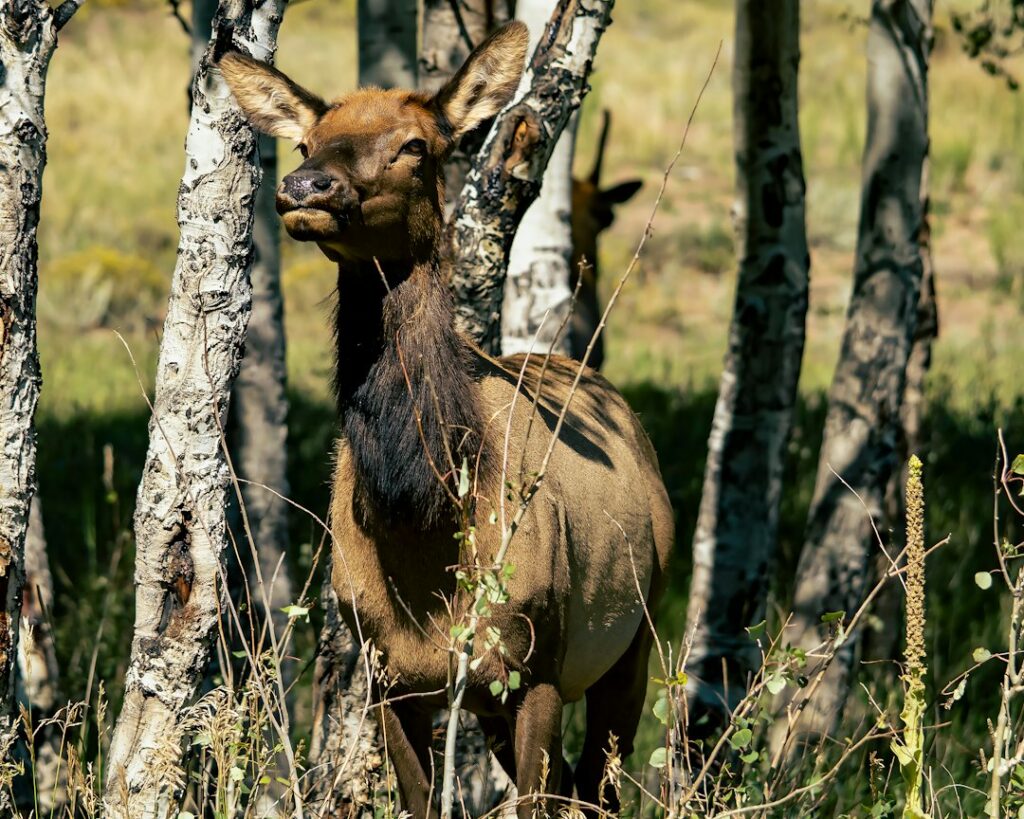
Featured image: illustrative elk photograph. It does not show the Greenland overpass.