In one of the world’s richest savannah landscapes, communities, farmers and conservationists are helping native vegetation return — and the United Nations has recognised their growing effort.
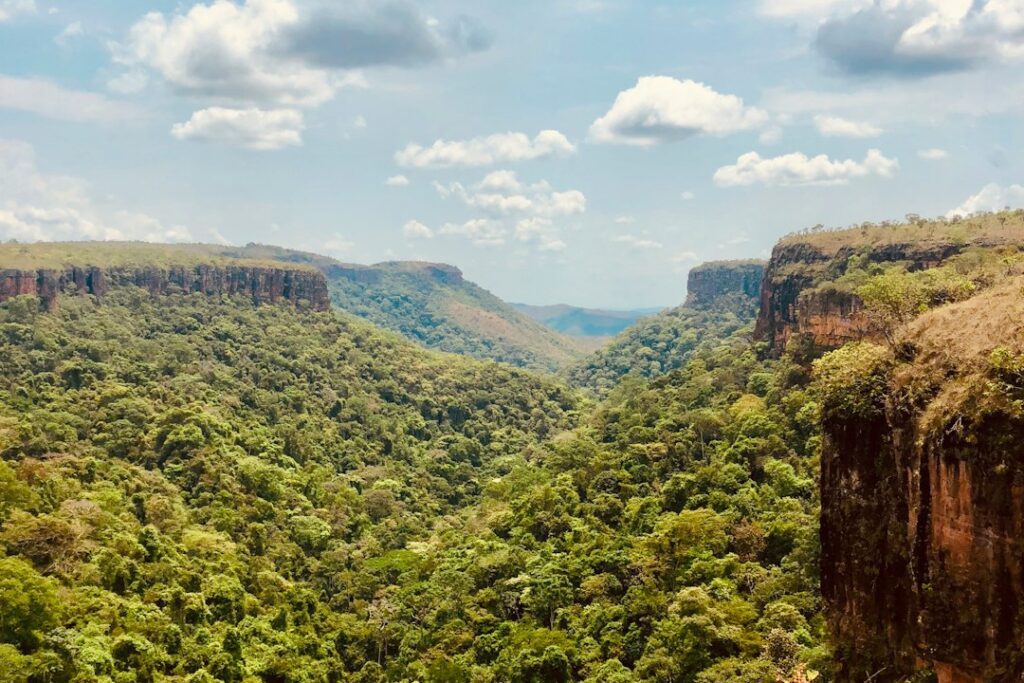
Imagine a landscape of extraordinary trees, golden grasses and plants adapted to ancient soils. This is Brazil’s Cerrado, a biodiverse tropical savannah whose ecosystems also sustain important river systems. It receives less international attention than the Amazon, yet faces severe pressure from land conversion.
Across this region, the Araticum Initiative is bringing together Indigenous peoples, Quilombola communities, farmers, scientists and restoration organisations to help damaged land recover. In August 2026, the United Nations recognised the project as one of its World Restoration Flagships.
The UN’s August announcement reported more than 27,000 hectares under restoration as of June 2026. Its current restoration flagship profile reports 31,000 hectares under restoration, although the profile does not specify the date of that updated measurement. These figures describe work underway, not land certified as fully recovered.
Why the Cerrado matters far beyond Brazil
The Cerrado covers more than two million square kilometres and contains an extraordinary variety of plants and animals. Its soils, native vegetation and complex water systems support ecological processes vital to people and wildlife. Much of its natural vegetation has been lost to changes in land use.
Restoring this environment is not simply a question of planting as many trees as possible. Savannahs also contain naturally open grasslands. Effective restoration needs to recover the right native plant communities and protect the ecosystem’s distinctive character.
A partnership rooted in local knowledge
More than 180 partner organisations participate in Araticum. The network includes community groups, Indigenous and Quilombola representatives, local producers, public bodies and researchers. The work uses approaches adapted to different places, including natural regeneration, native seed sowing, ecological restoration and carefully designed agroforestry.
The initiative has used seeds from more than 150 native plant species in restoration activities. Seed collection, nursery work and technical support also create potential opportunities for local people, although longer-term economic outcomes still need to be measured.
International recognition for practical work
On August 26, 2026, the United Nations Environment Programme and the Food and Agriculture Organization named Araticum a World Restoration Flagship. The award is part of the UN Decade on Ecosystem Restoration, highlighting ambitious efforts to repair degraded ecosystems and share workable approaches.
The recognition does not mean all restoration goals are complete. It acknowledges the scale, partnerships and practical progress of a programme that still requires long-term ecological monitoring.
An ambitious 2030 goal
Araticum aims to bring two million hectares of the Cerrado under restoration by 2030. The current reported area is a small share of that ambition. Reaching the target will require continued resources, cooperation, native seed supply, monitoring and protection of surviving ecosystems.
Restoration cannot substitute for preventing fresh damage, but the initiative offers a starting point that can grow.
A future worth restoring
Environmental progress can be slow, especially when ecosystems need years or decades to recover. Yet across the Cerrado, people are turning concern into practical action: gathering native seeds, working across communities and helping damaged landscapes begin to regenerate.
More than 180 organisations are now part of that shared effort. Thousands of hectares are under restoration, and an extraordinary landscape is getting renewed attention.
Sometimes the most hopeful environmental stories are not about nature recovering overnight. They are about people making recovery possible.
Sources and methodology
UNEP — World Restoration Flagships announcement (August 26, 2026); UN Decade on Ecosystem Restoration — Cerrado flagship profile; UN Brazil — recognition announcement. The 31,000-hectare figure is a profile-reported total without a specified measurement date. The 2030 goal is a target, not an achieved result.