On a small island in Southeast Asia, dependable electricity is helping healthcare workers keep vaccines refrigerated, teachers use classroom equipment, and families access essential services.
For a healthcare worker in a remote community, a power cut is more than an inconvenience. Refrigeration may stop working, and vaccines must remain within controlled temperatures to retain their quality. For teachers, the same outage can interrupt lessons and make important equipment unusable.
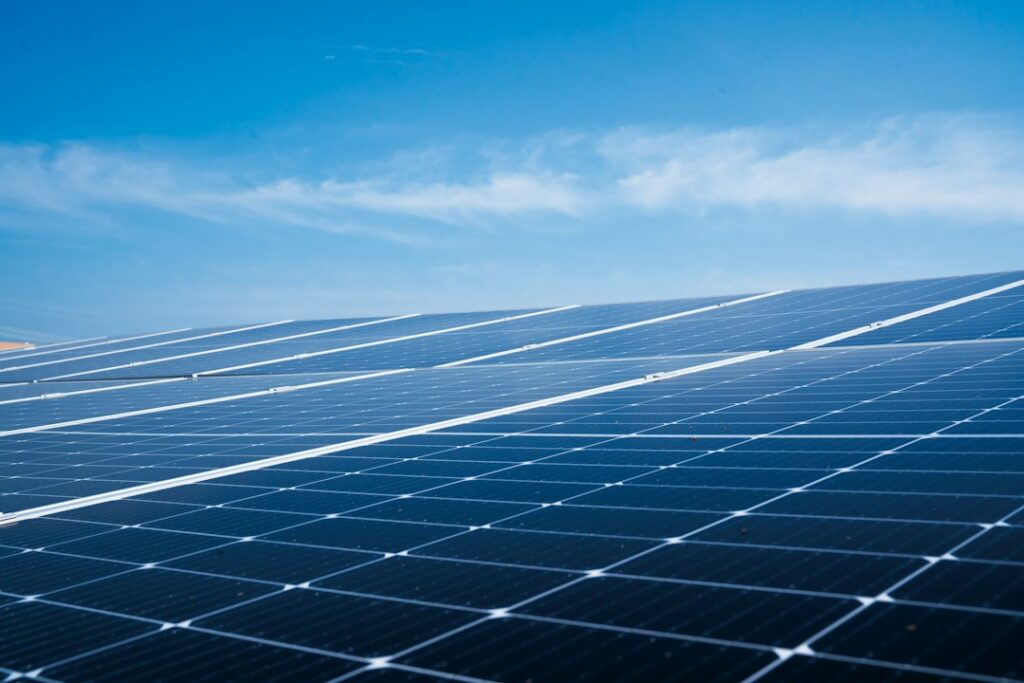
In Vila Maumeta on Timor-Leste’s Atauro Island, a UNICEF-supported solar-power installation is helping address both challenges. According to UNICEF’s account published on October 20, 2026, a health centre, primary school and local community office now have more reliable electricity.
When electricity becomes a lifeline
Atauro lies off Timor-Leste’s northern coast. Vila Maumeta, home to about 516 households, has experienced unreliable electricity that complicated routine community services.
At the health centre, staff once had to move vaccines into insulated containers during an extended outage. Some supplies subsequently became unusable, according to UNICEF’s reporting. Today, the new solar system provides electricity around the clock, supporting vaccine refrigeration and healthcare workers’ ability to respond to emergencies.
That is an important operational improvement, though UNICEF has not published a quantified estimate of how many vaccine doses or illnesses it has prevented.
A brighter learning environment
At Escola Café primary school, power interruptions sometimes lasted two or three days. Teachers could not always use the equipment needed for their lessons.
Now, solar power supports computers, projectors, printers, lighting and fans across more than 20 classrooms and offices. The school’s coordinator also described reduced reliance on electricity purchases. These are observable improvements in school operations, rather than proof of higher academic attainment.
The community office can keep serving families
The local community centre handles practical services, including help with birth registration and official documents. Electricity failures had interrupted work, and a small backup generator was not always dependable.
With the solar installation and electrical upgrades, staff can provide services more consistently. For residents, this can mean fewer disruptions to ordinary administrative tasks.
A partnership supporting essential services
The project is part of Climate Action for the Last Mile: Reaching the Most Vulnerable Children in Timor-Leste, supported by the Korea International Cooperation Agency (KOICA) and implemented by UNICEF with the Government of Timor-Leste.
The solar system was officially handed over on July 14, 2026, alongside improvements involving water and sanitation. The wider cooperation, announced in March 2025, is designed to strengthen climate-resilient public services.
Why maintenance matters
Installing renewable energy equipment is only the beginning. UNICEF reports that three health-centre staff members were trained to monitor the system and perform basic maintenance, including cleaning the solar panels. Specialist support remains important for problems that require technical expertise.
The installation’s long-term results will depend on maintenance, financing and continued performance monitoring. Even so, its present-day benefits are tangible.
Reliable power, wider possibilities
The clean-energy transition is often measured in megawatts and national investment targets. On Atauro, its value is easier to picture: a refrigerator that can keep essential vaccines cold, a teacher who can use a projector, and a community official able to complete documents.
It is too early to claim lasting improvements in health outcomes, school performance or emissions reductions from this specific installation. But the immediate gains show how reliable electricity can support several essential public services at once.
Sometimes progress begins when a refrigerator stays cold, a lesson can continue and a family no longer needs to wait for the power to come back.
Sources
UNICEF — How Reliable Energy Is Transforming Daily Life in Vila Maumeta (October 20, 2026); UNICEF — Solar system handover (July 14, 2026); UNICEF and KOICA — wider programme announcement (March 2025). The story describes reported operational benefits, not proven long-term health or education impacts.