A family’s experience with inaccessible technology helped set a young inventor on a mission to make computing easier for more people.
For many people, using a computer begins with a keyboard, mouse or touchscreen. But these standard ways of interacting with technology can create obstacles for people whose motor disabilities make precise hand movements difficult. When Dhanvin Ganeshkumar saw his grandmother struggle with technology, he began thinking about a different way to navigate a screen.
That idea became Swype AI, an assistive technology project combining gesture recognition and voice control. Ganeshkumar is among the young changemakers recognised in the 2026 Diana Award announced on 4 November.
Designing around people’s needs
The goal behind Swype AI is straightforward: users should not have to depend entirely on conventional keyboards and mice to operate a computer. The project explores how voice commands and movements interpreted by a camera might provide alternative controls. Its developers describe it as an evolving assistive technology, not a universally available or clinically validated replacement for other accessibility tools.
Ganeshkumar’s work—under the name Dhanvin Kumar Ganeshkumar in the official award biography—grew from close observation of a real barrier within his own family. The project has also benefited from feedback from people with disabilities and accessibility organisations, according to its team.
Recognition for an inclusive idea
The Diana Award’s 2026 Roll of Honour credits Ganeshkumar’s initiative and related advocacy with reaching more than 250,000 people across 30 countries and working with over 15 accessibility organisations. These are figures reported by the award organisation and founder; they should not be read as verified numbers of active Swype AI users.
Alongside the technology, Ganeshkumar founded the OneWeb Movement to encourage dialogue and action around digital accessibility. His broader advocacy underlines a point that reaches far beyond one app: digital inclusion is about designing services that people with different abilities can use in practice.
Why this story matters
Building assistive technology requires technical experimentation, testing and collaboration with the communities it aims to support. Ganeshkumar’s story offers an example of a student noticing an everyday problem, building an early response and inviting others into the effort. Even as the product develops, its central question remains timely: who is being left out when we design the technology everyone is expected to use?
Sources: The Diana Award 2026 Roll of Honour; Swype AI team and project background; Dhanvin Ganeshkumar’s website; The Diana Award ceremony announcement.
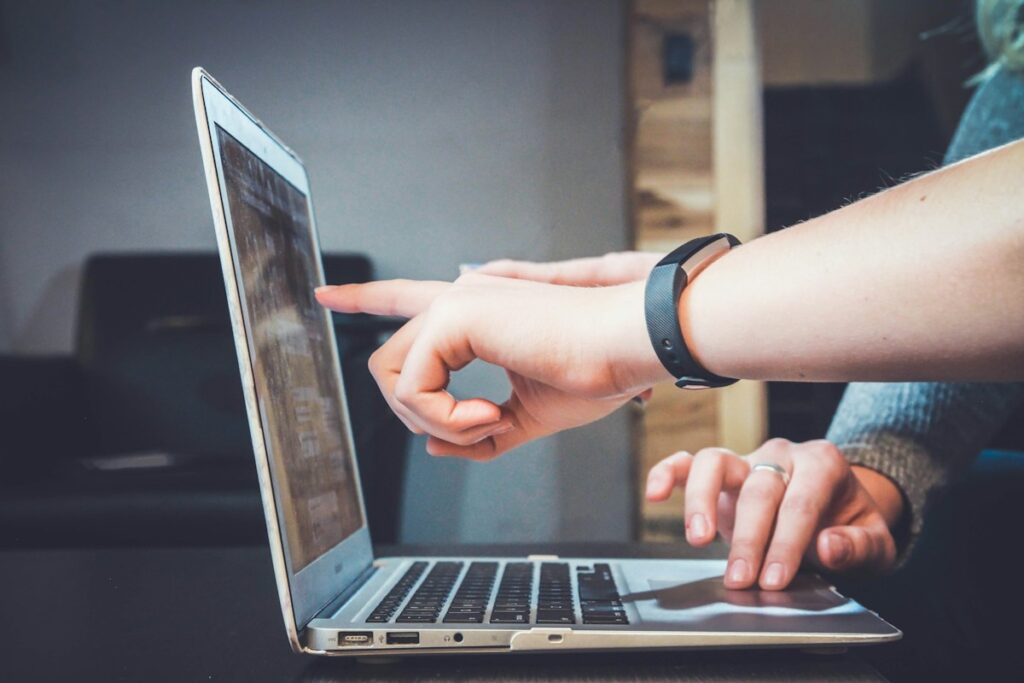
Featured photograph: illustrative image of people using computers; not Dhanvin Ganeshkumar or a demonstration of Swype AI. Photograph by John / Unsplash.
Find more reasons for hope: Sign up free for The Positive 10 newsletter and discover inspiring people every week. Know a changemaker? Nominate someone here.