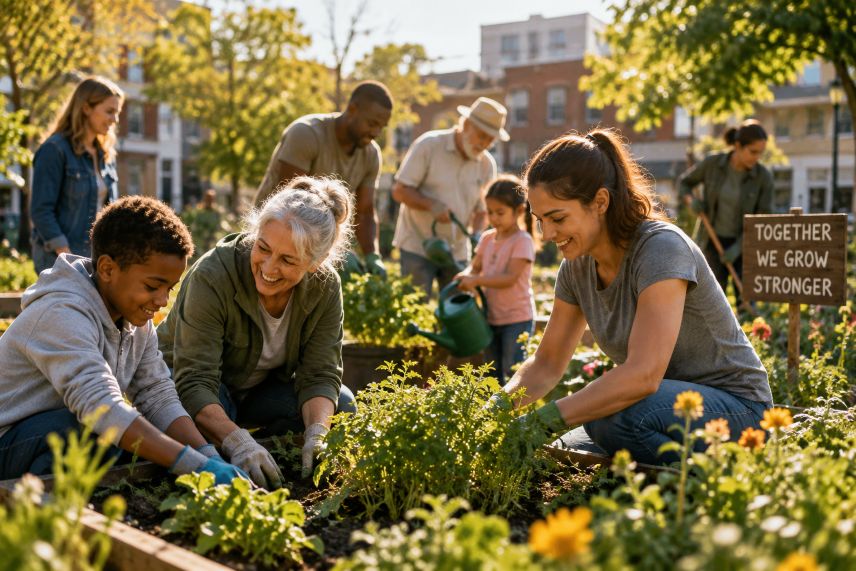

Real progress does not mean the world’s challenges have disappeared. It means people are finding practical ways to address them. Here are ten hopeful developments from education, healthcare, conservation and clean transport.
1. More refugees are reaching higher education
UNHCR reports a rise in refugee higher-education enrolment, while major barriers to education persist.
Read the original institutional source
2. A tiny Mexican fish may get another chance
Conservation specialists are developing breeding and habitat recovery plans for the Charco Azul pupfish. Reintroduction remains a future goal.
Read the original institutional source
3. East African communities are planning for safer water
In shared river basins, specialists assessed potential investments in water security. These interventions are proposals rather than completed infrastructure.
Read the original institutional source
4. Wildlife recovery shows conservation can work
WWF’s latest Living Planet Report describes both serious global biodiversity declines and local species recoveries. Local successes do not erase the broader crisis.
Read the original institutional source
5. Countries are cooperating to curb mercury pollution
UNEP highlights the Minamata Convention’s efforts to restrict harmful mercury products and trade, although mercury remains a health hazard.
Read the original institutional source
6. Western Indian Ocean countries renew conservation commitments
Countries participating in the Nairobi Convention adopted new decisions aimed at strengthening ocean governance. Their impact depends on implementation.
Read the original institutional source
7. WHO promotes more humane mental healthcare
New WHO guidance encourages community-based services that respect dignity and rights, a roadmap rather than proof that reforms are already complete.
Read the original institutional source
8. A roadmap aims to make pregnancy safer
WHO and partners are promoting improved prevention, diagnosis and treatment of hypertension during pregnancy. This is a plan for future action.
Read the original institutional source
9. Scientists aim to identify outbreaks within 24 hours
The WHO Pandemic Hub launched a strategy aiming for every country to detect and understand emerging health threats within 24 hours by 2030. It is a future target.
Read the original institutional source
10. Kenya’s electric motorcycles offer a glimpse of cleaner cities
UNEP describes rising electric motorcycle adoption in Nairobi and its potential air-quality and economic benefits, alongside affordability and infrastructure challenges.
Read the original institutional source
Why these stories matter
Some are measured achievements; others are plans or commitments. Both deserve thoughtful attention, provided that confirmed results are clearly distinguished from future ambitions.
Good news. Real progress. A better perspective.