
What should a classroom prepare young people for in the years after 2030? Instead of leaving that question entirely to education ministers and experts, an international consultation has started by asking the people who will live with the answers.
According to UNESCO, more than 190,000 young people and students from 194 countries have contributed their perspectives on the future of education. The global consultations are feeding into a youth-led agenda that representatives will work on in Tokyo on October 28–29, 2026.
The participation is real and significant. But the future agenda has not yet been finalized or adopted by governments.
What young people were asked
The consultation, organized through UNESCO’s SDG 4 Youth & Student Network, focused on three broad questions: What kind of world do young people want to live in? How should education change to help build it? And what can young people and others do to make those changes possible?
That approach treats young people not simply as recipients of education policy, but as participants in shaping it.
Making room for voices often missed
The consultations ran through a global survey and regional conversations between April and October. UNESCO says organizers actively sought perspectives from young people in marginalized or underrepresented circumstances. The survey was also translated into numerous languages by volunteers, helping broaden the opportunity to participate.
Participation from 194 countries does not mean every community was equally represented or that the consultation is a statistically representative poll of all young people. Its value lies in bringing a large and diverse collection of experiences into the next stage of discussion.
What happens in Tokyo?
At the United Nations University in Tokyo, representatives of the SDG 4 Youth & Student Network, United Nations University and the Youth Committee of the Japanese National Commission for UNESCO are scheduled to turn the consultation findings into a shared set of priorities and proposed actions.
The resulting Post-2030 Youth Education Agenda is intended to inform wider discussions with governments, teachers, civil society and other education partners. UNESCO says the youth agenda will be presented at the 2027 Global Education Meeting.
An open portion of the Tokyo workshop is scheduled to be livestreamed on October 29, allowing interested people beyond the room to hear the emerging priorities.
A meaningful beginning, not the final word
There are important limits to keep in mind. Collecting opinions does not automatically lead to better schools, fairer funding or new educational opportunities. Those outcomes will depend on how decision-makers respond and whether young people continue to have meaningful influence.
But beginning the conversation with those directly affected by educational choices is a constructive step. The challenges facing schools are too varied for any one group to solve alone—and the next generation has useful experience to contribute.
Listening can be a form of progress
Education shapes far more than exam results. It can influence people’s opportunities, sense of belonging and ability to participate in society.
For 190,000 young contributors, this initiative offers a chance to place their hopes and concerns into a larger international discussion. The test now is whether that input becomes a meaningful part of decisions about education beyond 2030.
That is a hopeful story worth following.
Sources and status
Established: UNESCO reports contributions from 190,000 youth and students across 194 countries through the consultations. Planned, not completed: the October 28–29 Tokyo drafting workshop, presentation of the agenda, and future government action.
UNESCO announcement, October 12, 2026.
UNESCO consultation overview and participation information.
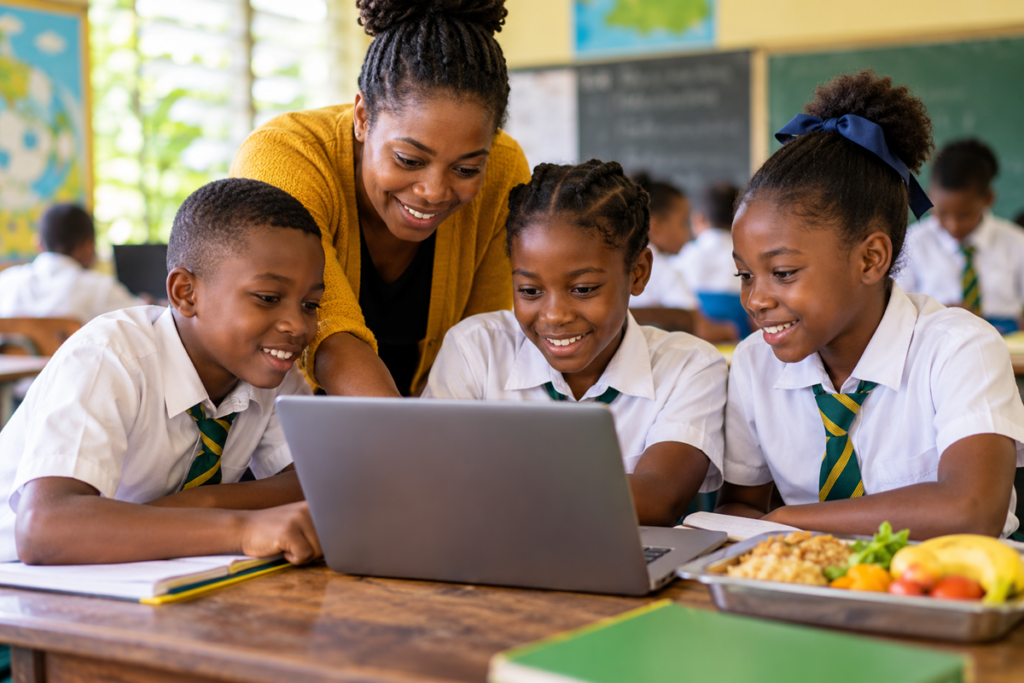
Featured image is illustrative and does not document participants in this consultation.
Good things are happening. We’re here to find them.