When conflict disrupts universities and academic networks, continuing a research career can become extraordinarily difficult. Scientist Taghried Abdelmagid and a team of volunteers have been helping students find another path.
Taghried Abdelmagid, a Sudanese scientist based at the University of Bath in the United Kingdom, founded the volunteer-led Share the Knowledge–Sudan initiative. On November 3, 2026, the project received the Nature Award for Inspiring Women in Science in the Science Outreach category.
Keeping opportunities open amid displacement
Years of conflict and instability have disrupted education and research in Sudan. Since the current war began in 2023, academic institutions and the people who depend on them have faced profound challenges. For students and researchers, displacement can also mean losing supervisors, laboratories, libraries and connections to professional opportunities.
Share the Knowledge–Sudan is designed to help bridge that gap. Founded in 2019, it has developed a volunteer-supported network offering science talks, mentoring, learning resources and guidance to people within Sudan and in the Sudanese diaspora, particularly women.
Practical support for scientific careers
According to Nature, the initiative’s online scientific talks can attract as many as 1,500 attendees. It also provides a free digital library and support with research proposals, interview preparation and career development.
The work is collaborative. Nature describes a women-led group of science practitioners who volunteer their expertise to help students and early-career researchers find mentors and access knowledge despite disruption.
An international award for outreach
Publisher Springer Nature announced on November 3 that Share the Knowledge–Sudan had won the 2026 Science Outreach Award, presented with The Estée Lauder Companies. The award recognizes efforts to help girls and women pursue and remain in science, technology, engineering and mathematics.
The winners receive a US$50,000 prize, mentoring opportunities and international visibility, according to the award organizer. These benefits recognize the initiative’s outreach work; they do not erase the obstacles facing Sudanese learners.
Science is strengthened when opportunity is shared
Abdelmagid’s story points to a hopeful reality within an otherwise difficult crisis: education and professional solidarity can cross borders. Online resources cannot replace functioning universities, but committed networks can help people sustain their aspirations while those institutions remain disrupted.
By connecting knowledge with the people who need it, Share the Knowledge–Sudan is keeping scientific ambition within reach for learners who might otherwise have been left behind.
Sources: Springer Nature official winners’ announcement, November 3; Nature editorial on the 2026 winners; Nature Awards’ official programme profiles.
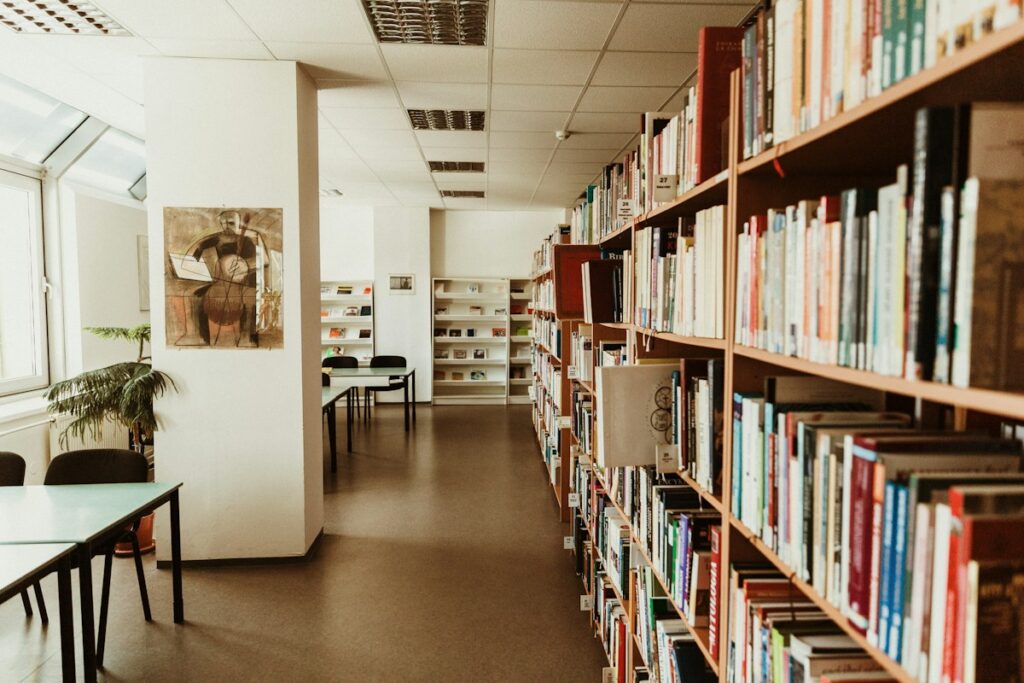
Featured photograph is an illustrative university library, not Taghried Abdelmagid or a Share the Knowledge–Sudan event. Photo by Trnava University / Unsplash.
More uplifting stories every Sunday: Subscribe free to The Positive 10. Know someone making a positive difference? Nominate a Changemaker.