
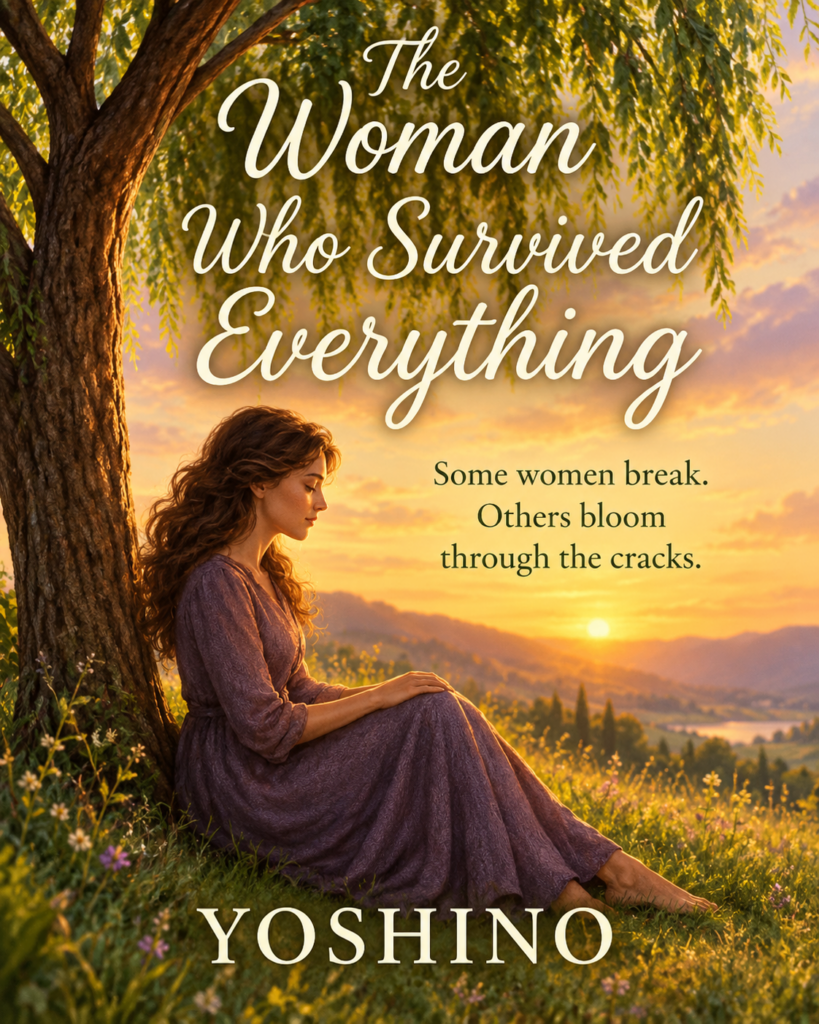
In Don Yoshino’s novel, a woman’s life is shaped by separation, love, motherhood and loss. At its heart lies a deeply human question: what does it mean to keep going when everything familiar disappears?
Some stories celebrate people who change the world. Others explore the quiet strength it takes simply to survive it.
In The Woman Who Survived Everything, author Don Yoshino introduces Elara Moreau, a fictional woman whose life is marked by extraordinary hardship. The novel explores love, family, personal freedom and perseverance without suggesting that grief has an easy solution.
A Childhood Without Freedom
Elara’s story begins with a painful loss of control over her own life. Taken away as a child by her powerful father to Valmip, she grows up under difficult expectations and the influence of a severe stepmother. Beneath those restrictions remains someone capable of imagining a different future.
Her early experiences bring forward one of the novel’s central concerns: the distance between a life imposed on someone and the life they hope to build for themselves.
When Love Opens the Door to Hope
As Elara grows older, a relationship offers companionship and a possible future beyond her childhood. Marriage and motherhood bring new meaning to her life. But happiness cannot shield her from war, tragedy and personal loss.
As the story unfolds, she faces circumstances she cannot control while trying to preserve what matters most. How can a person find strength after devastating loss? What remains when familiar sources of security disappear?
The Quiet Courage of Continuing
One compelling idea in the novel is that courage does not always arrive through dramatic gestures. Sometimes it means caring for another person through grief. Sometimes it means getting through an uncertain day.
Elara is not portrayed as untouched by suffering. Rather, the story explores emotional endurance and the continuing importance of identity, connection and love.
Resilience need not mean forgetting what happened or treating loss as insignificant. In fiction, it can also mean learning to live with difficult memories while seeking a way forward.
Why Stories About Survival Matter
Books invite readers into imagined lives and experiences beyond their own. Through a character such as Elara, difficult subjects including separation, bereavement and recovery can be explored across time.
A novel cannot be expected to heal trauma or transform every reader’s life. Its value may lie in making room for reflection, empathy and questions without simple answers.
Meet the Author: Don Yoshino
Don Yoshino writes emotionally driven fiction exploring relationships and personal struggles. The Woman Who Survived Everything appeared in 2025 and is presented on the author’s official website. The book focuses on the extraordinary upheavals in Elara’s fictional life, but asks broadly recognizable questions about love, freedom and starting over.
NewsPositive previously introduced Yoshino in Spotlight on Resilience: Don Yoshino. This new feature takes a closer look at the novel’s themes rather than repeating that author profile.
A Book for Readers Who Appreciate Emotional Fiction
The book may appeal to readers drawn to character-led stories about family relationships, motherhood, grief and personal endurance. It deals with serious emotional hardship rather than offering lighthearted escapism.
Where to Find the Book
Readers can find details about the novel and its editions on Don Yoshino’s official book page. The book is also listed on Amazon; prices, available formats and delivery depend on location.
A Reminder of the Strength Within Ordinary Lives
NewsPositive usually tells stories about real-world progress, but literature can also help people explore hope and perseverance. Elara is fictional; the questions her journey raises are not.
People encounter grief and change in different ways. No book offers a universal formula for overcoming adversity. Yet fiction can remind us that painful circumstances do not make up the whole of a person’s identity.
Sometimes the most powerful story is not about what someone has lost, but about the humanity they carry forward.
Editorial note: This literary spotlight is based on the author’s and booksellers’ descriptions, not an independently commissioned review or an assertion that NewsPositive read the full novel. Purchasing links are provided for readers’ convenience.