Turn on the news and the world can sometimes look deeply divided.
Different countries. Different languages. Different cultures. Different beliefs. Different ways of living.
But beneath those differences, everyday life around the world is remarkably familiar.
From Geneva to Tokyo, Nairobi to Buenos Aires, people wake up worrying about their families, thinking about work, laughing with friends, planning for tomorrow and hoping life will become a little better.
Perhaps we aren’t as different as the headlines sometimes make us feel.
We Want the People We Love to Be Okay
Across cultures, one of the strongest human instincts is caring for the people closest to us.
Parents worry about their children.
Adult children check on ageing parents.
Friends support one another during difficult moments.
Neighbors notice when someone hasn’t been seen for a while.
The details may change from country to country, but caring for others is remarkably universal.
We Want Our Children to Have Opportunities
Ask parents almost anywhere what they want for their children and the answers often sound familiar.
A good education.
Safety.
Health.
Opportunities.
Friendships.
And perhaps a future with possibilities they themselves never had.
That hope crosses borders surprisingly easily.
We All Need Moments of Joy
Human beings have always found reasons to celebrate.
Birthdays. Weddings. Festivals. Football matches. Family meals. Music. Dancing. Holidays. A joke shared between friends.
Even during difficult periods, people continue creating moments of happiness.
Joy isn’t a luxury unique to one culture.
It’s part of being human.
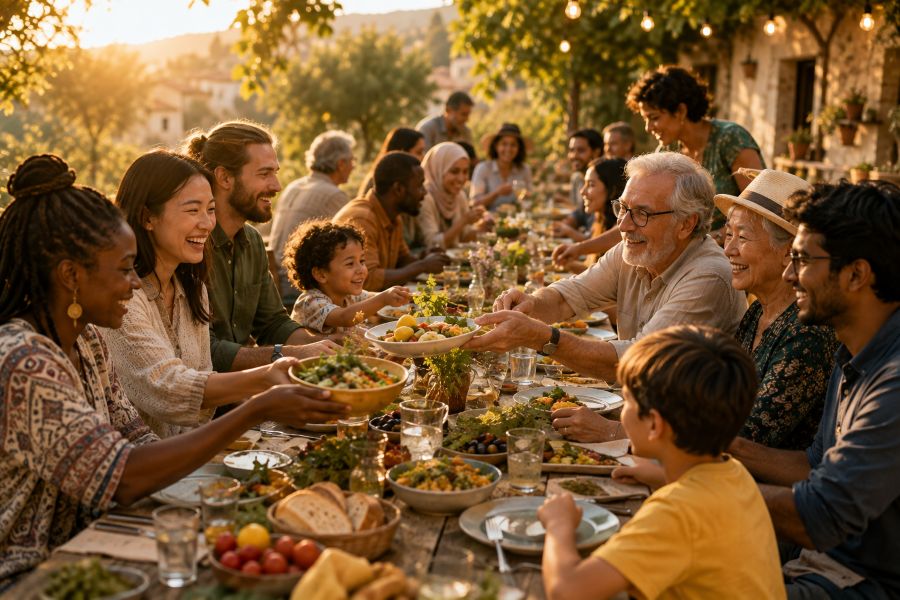
Food Brings Us Together
Around the world, some of life’s most meaningful conversations happen around a table.
The dishes may be completely different, but the ritual is familiar.
Someone cooks.
Someone arrives hungry.
Stories are exchanged.
People laugh.
Someone insists you have another serving.
Different recipes. Very similar human experience.
Everyone Wants to Feel That They Belong
We all want somewhere we feel welcome.
A family.
A neighborhood.
A group of friends.
A workplace.
A club.
A community.
Technology may connect billions of people, but genuine belonging still comes from knowing that somewhere in the world, someone would notice if you weren’t there.
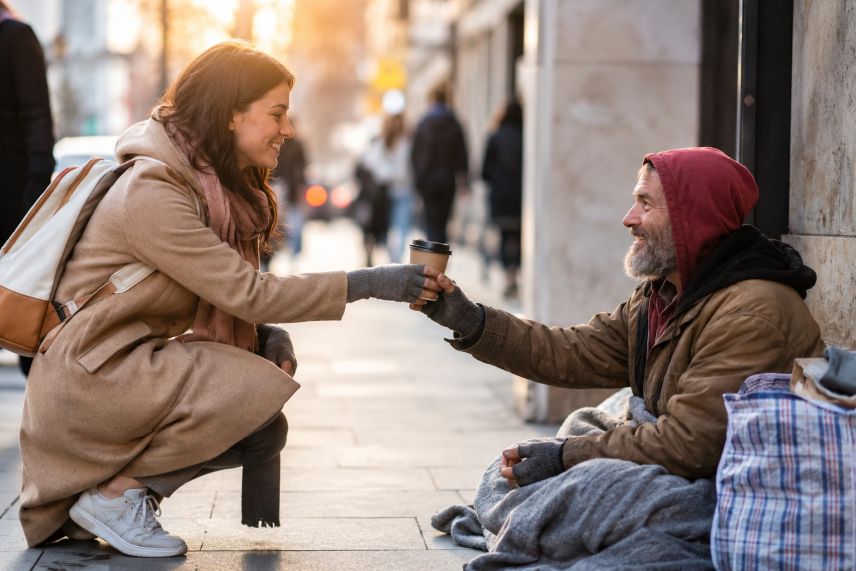
Small Acts of Kindness Translate Everywhere
You don’t always need to speak someone’s language to help them.
Holding a door.
Offering a seat.
Giving directions.
Helping someone carry something heavy.
Smiling at a nervous stranger.
Kindness has remarkably little need for translation.
We All Worry About Tomorrow
People everywhere wonder about the future.
Will I have enough money?
Will my family be okay?
Will I find the right job?
Will my children be happy?
Will things improve?
The circumstances may differ enormously, but uncertainty about tomorrow is something almost everyone understands.
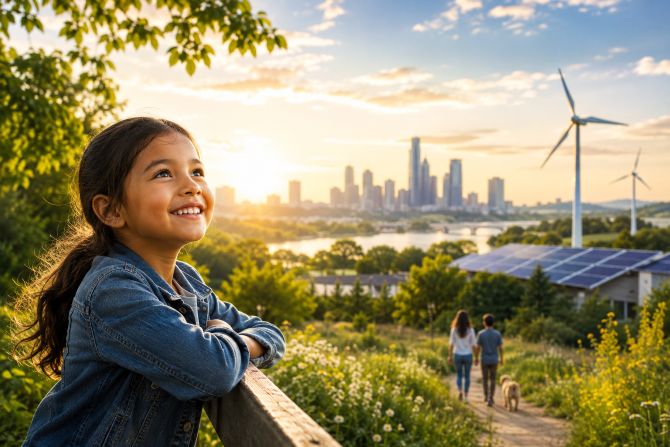
And We All Hope Tomorrow Can Be Better
This may be one of the strongest things humanity shares.
Hope.
The belief that a problem can be solved.
That a relationship can heal.
That a community can improve.
That a child can have opportunities.
That a difficult period will eventually pass.
Hope appears in every language.
A Bigger Human Story
Our differences matter. Cultures, traditions and identities make the world extraordinarily interesting.
But differences aren’t the entire story.
Behind borders and languages are billions of people experiencing many of the same emotions: love, fear, curiosity, frustration, laughter, grief and hope.
Sometimes the world feels smaller when we remember that.
And perhaps a little kinder too.